
Design case study / Seabed sampling
Engineering the structure behind the sample.
Inside Terra’s vibrocorer development: connecting assembly modelling, structural analysis and design review with workshop manufacture.
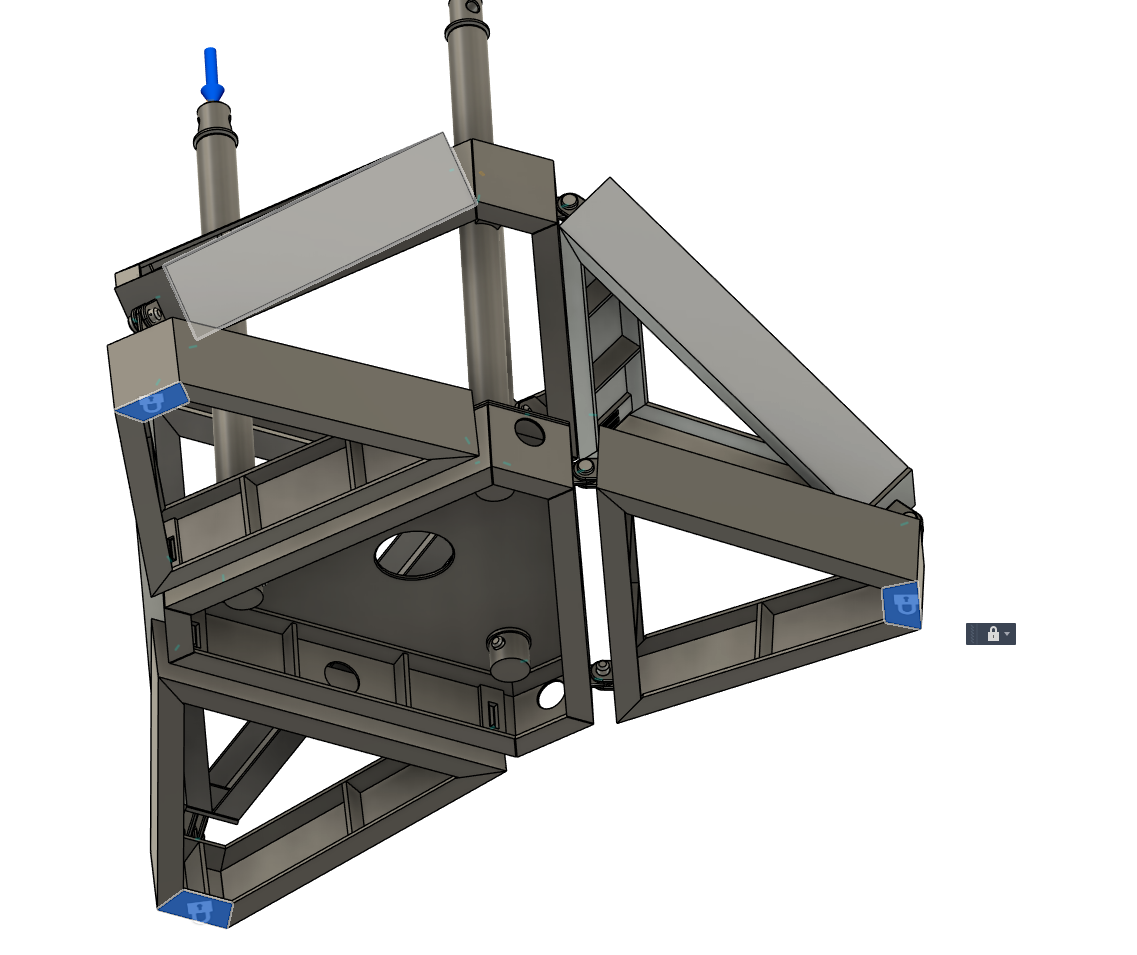
Development-stage structural model, shown with analysis constraints. October–November 2026.
- Programme
- In-house vibrocorer development
- Discipline
- Mechanical design & analysis
- Location
- Earlston, Scotland
- Status
- Development in progress
The engineering brief
Understand the load path. Refine the detail.
Terra is developing seabed sampling equipment with design and manufacture connected through our own engineering workshop. This phase focused on the vibrocorer’s base, legs and connecting components.
The work examined how the structural assembly responds to different support and loading arrangements, then used that review to inform interfaces, component details and drawings. It builds on the first structural fabrication programme.
A connected engineering process
From assembly model to manufacturing detail
Build a representative assembly
Base, leg and central assembly models were brought together. The team checked alignment, pin and clevis interfaces, material assignments and contact definitions before reviewing the studies.
Explore different load paths
Twenty retained preliminary static load cases covered combinations of base and leg support, leg-tip support, uneven support, uplift and reversed loading. Stress, displacement and factor-of-safety plots informed the review.
Turn findings into design actions
Engineering review identified interface clearances, pin alignment and clevis bearing details for attention. Corrections and follow-up checks were recorded alongside the analysis.
Prepare the next drawing issue
Component and assembly drawings were prepared and circulated for review, including parts lists, dimensions and welding and inspection notes. Drawing approval remained part of the development workflow.
From the development record
Engineering work, made visible
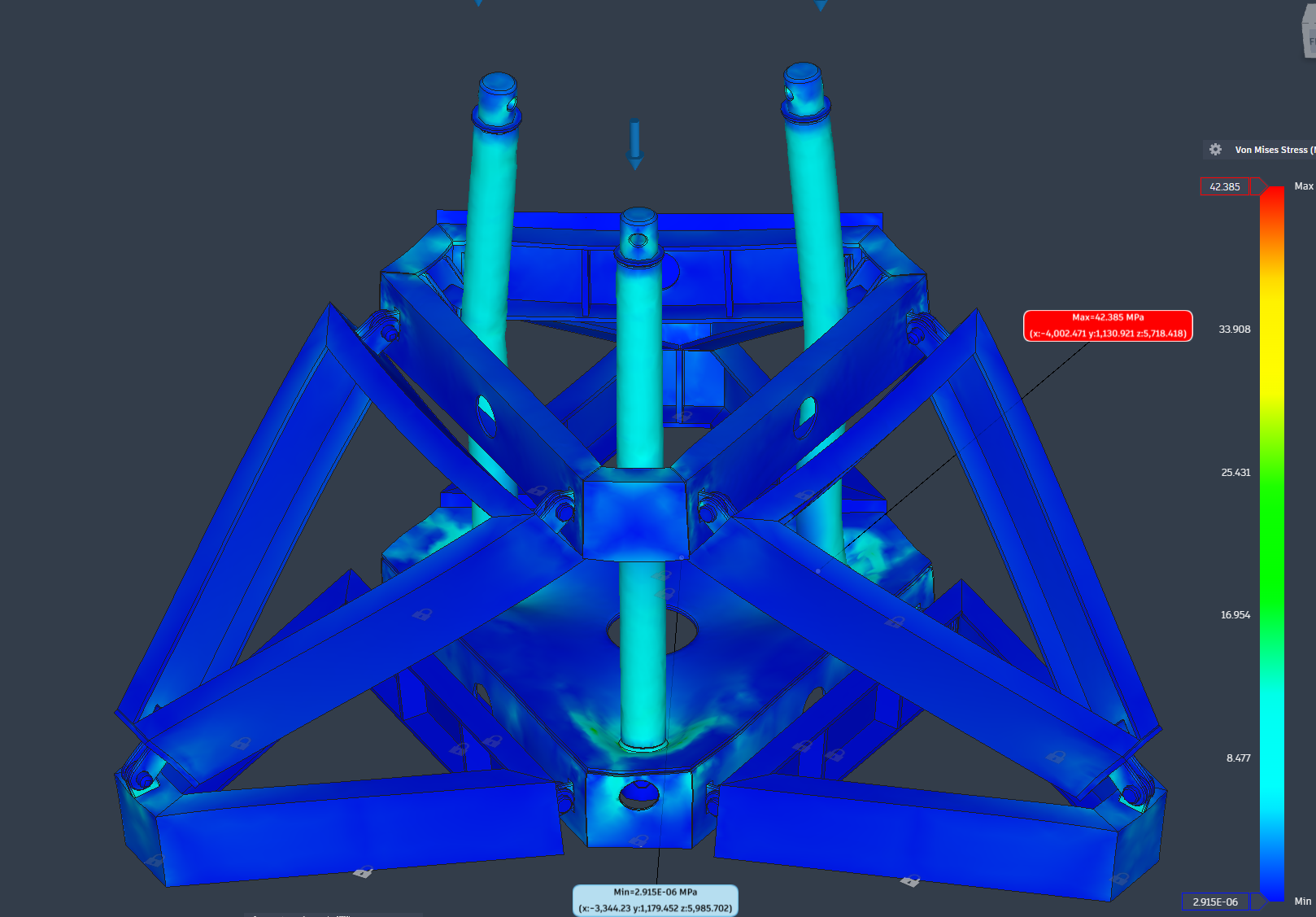
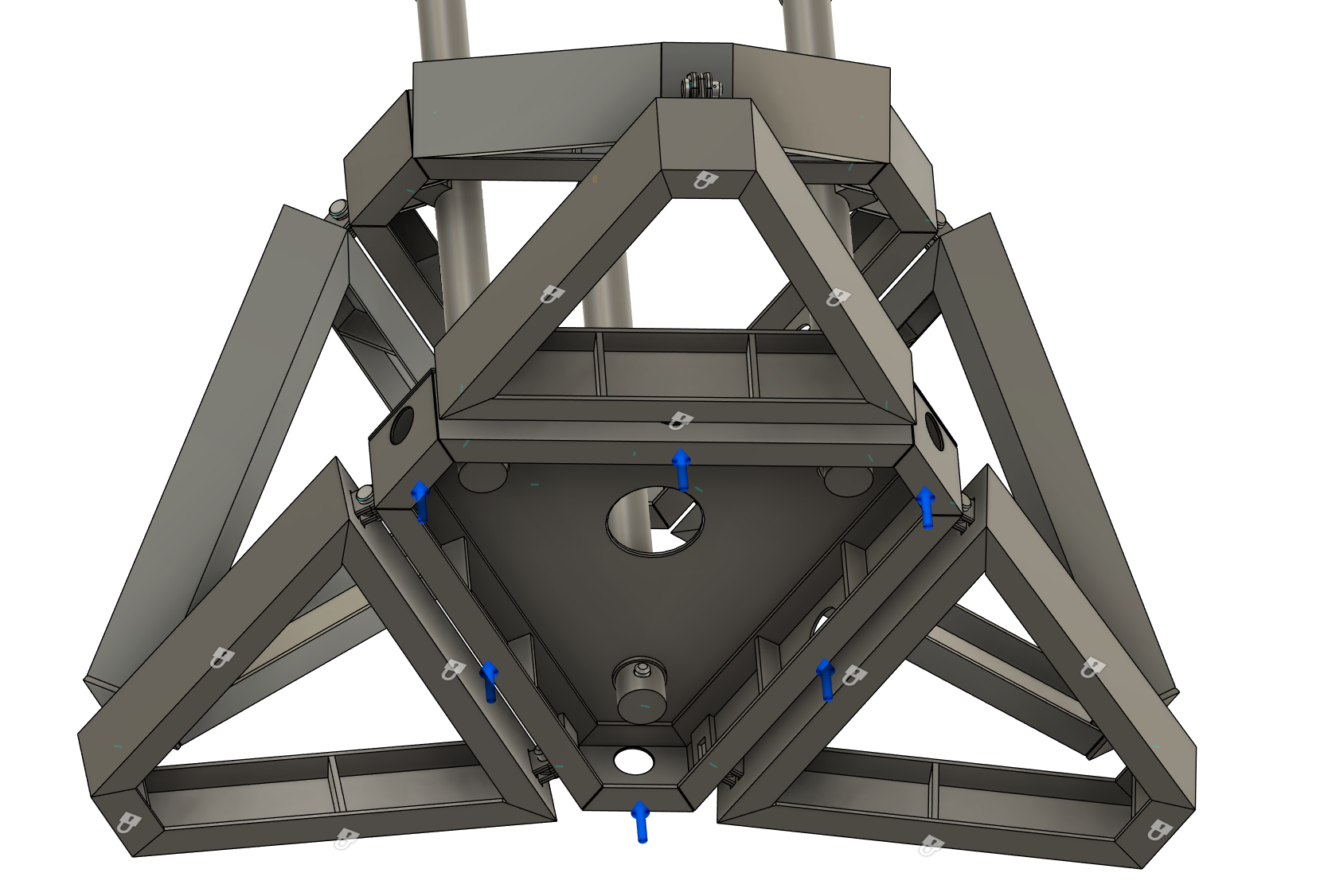
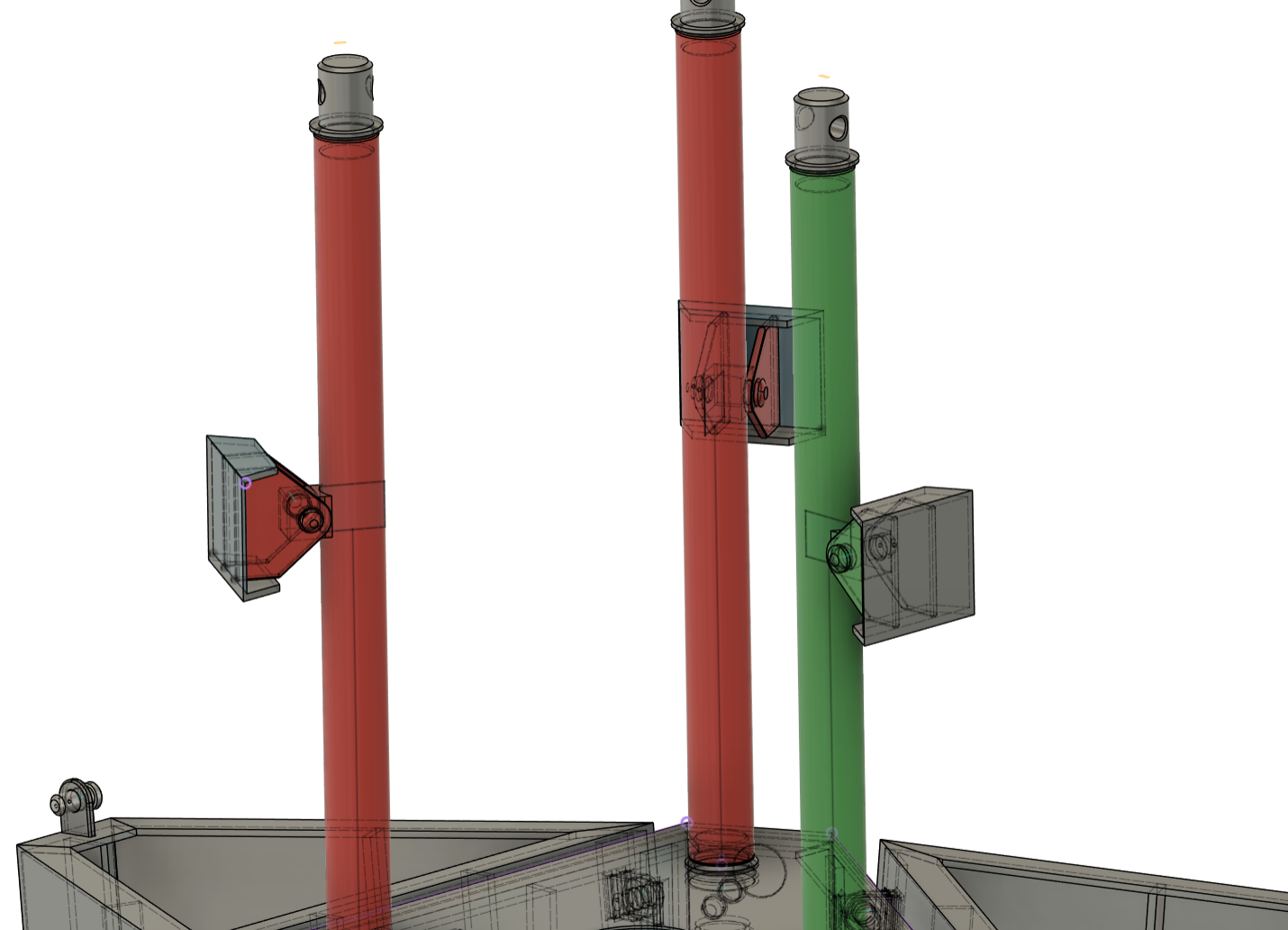
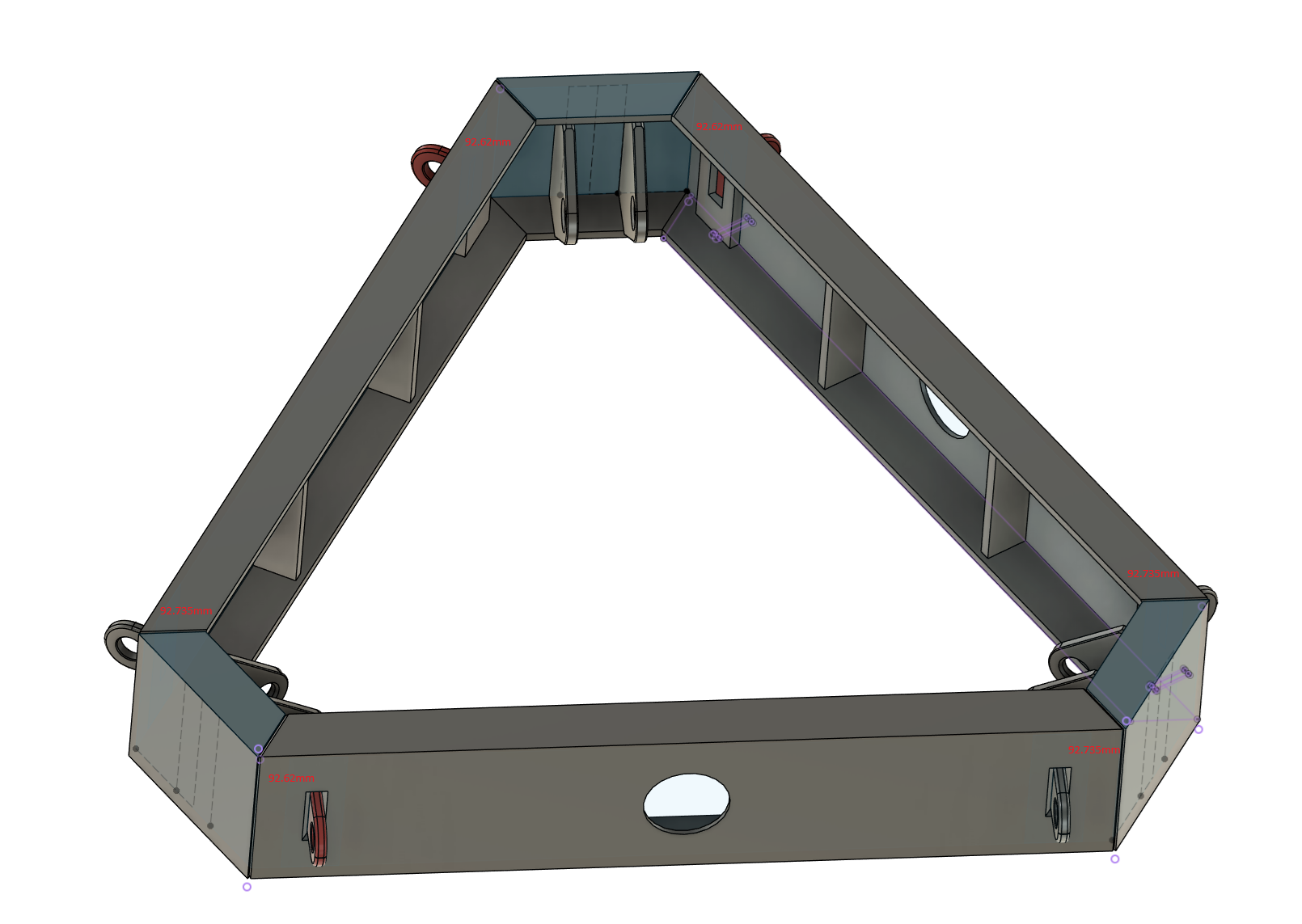
Select an image to inspect the original view. Images are development records, not operational load ratings.
What the work established
A clearer basis for the next design stage
The studies provided a structured comparison of loading arrangements and highlighted where support conditions change the response. The review also generated specific actions on interfaces and drawing details.
The most demanding leg-tip cases remained areas for further development. Preliminary static analysis is one part of the programme; it does not establish a certified working load or demonstrate completed offshore performance.
This case study covers modelling, preliminary static analysis, internal design review and drawing preparation. The wider vibrocorer remains in development, with further verification and testing to follow.
Recorded milestones
A development record, step by step
From the first structural build to the next set of engineering drawings. These milestones describe completed development activities, with verification and testing still ahead.
First structural build documented
Our workshop update recorded the equipment base build, covering purchasing, material traceability, machining, welding and improvements to workshop methods.
Read the workshop updateAssembly model and analysis setup
The engineering report brought the base, leg and upper assemblies together and recorded work on contacts, constraints and the initial load cases.
- 29–30 October 2026
Static studies and internal review
Twenty retained preliminary static load cases explored different support and loading arrangements. The review identified further work on the most demanding leg-tip cases and on assembly details.
- 2–4 November 2026
Drawing preparation and interface checks
Model organisation, component details and assembly interfaces were reviewed. Component and assembly drawings, including parts lists, were prepared for further review.
Continue design review, resolve outstanding details, and progress verification and testing. No completion date or operational performance claim is implied by this development record.
Sources: Terra’s published workshop update and internal engineering reports dated 27 October–4 November 2026. Record reviewed 12 November 2026.
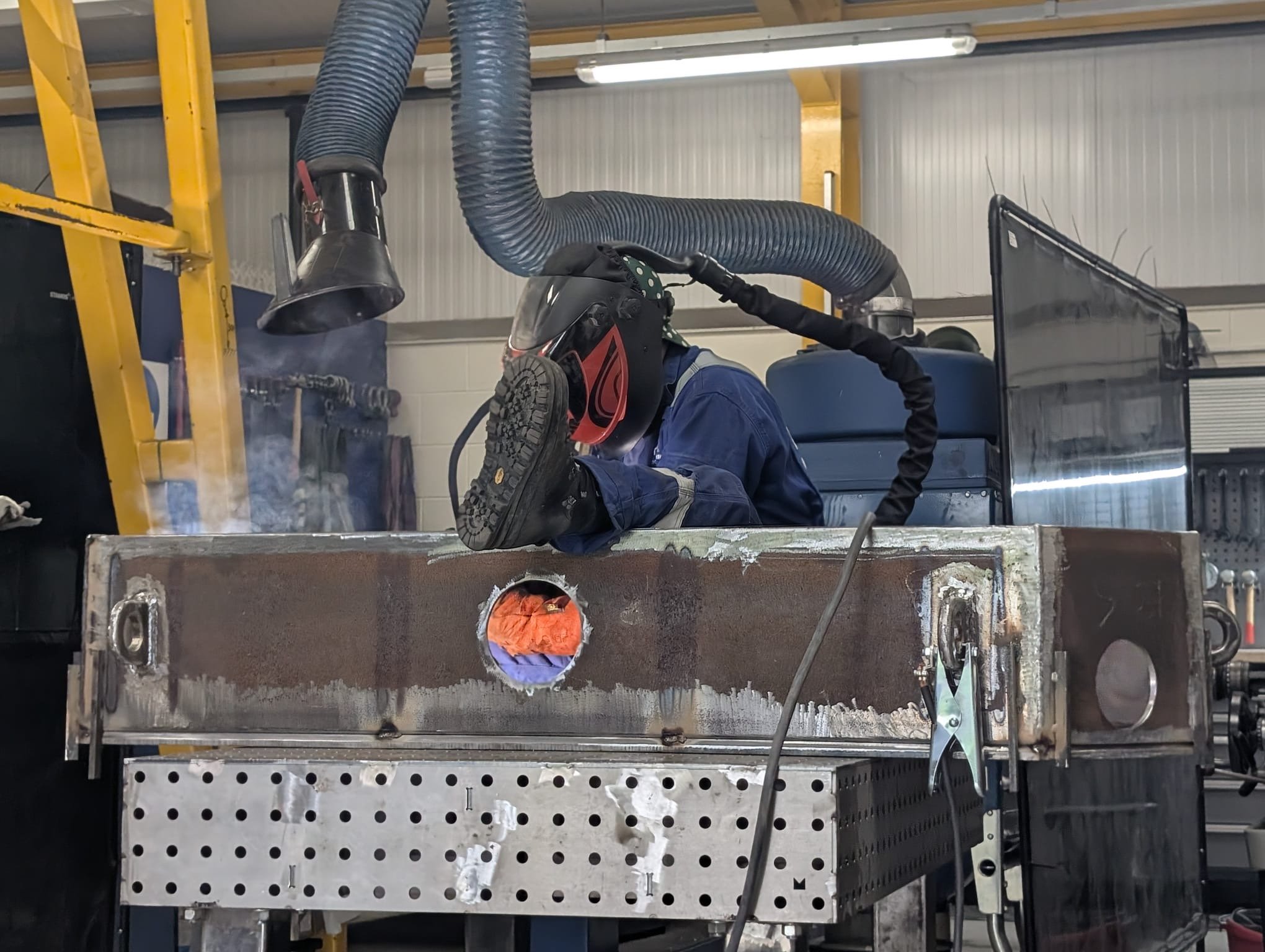
The same programme / In the workshop
Design connected to manufacture
Follow the structural build, material preparation and workshop improvements behind this development programme.
Explore the workshop case studyDeveloping specialist equipment?
Share your engineering brief, existing drawings and programme. We can discuss design, mechanical development and workshop support.